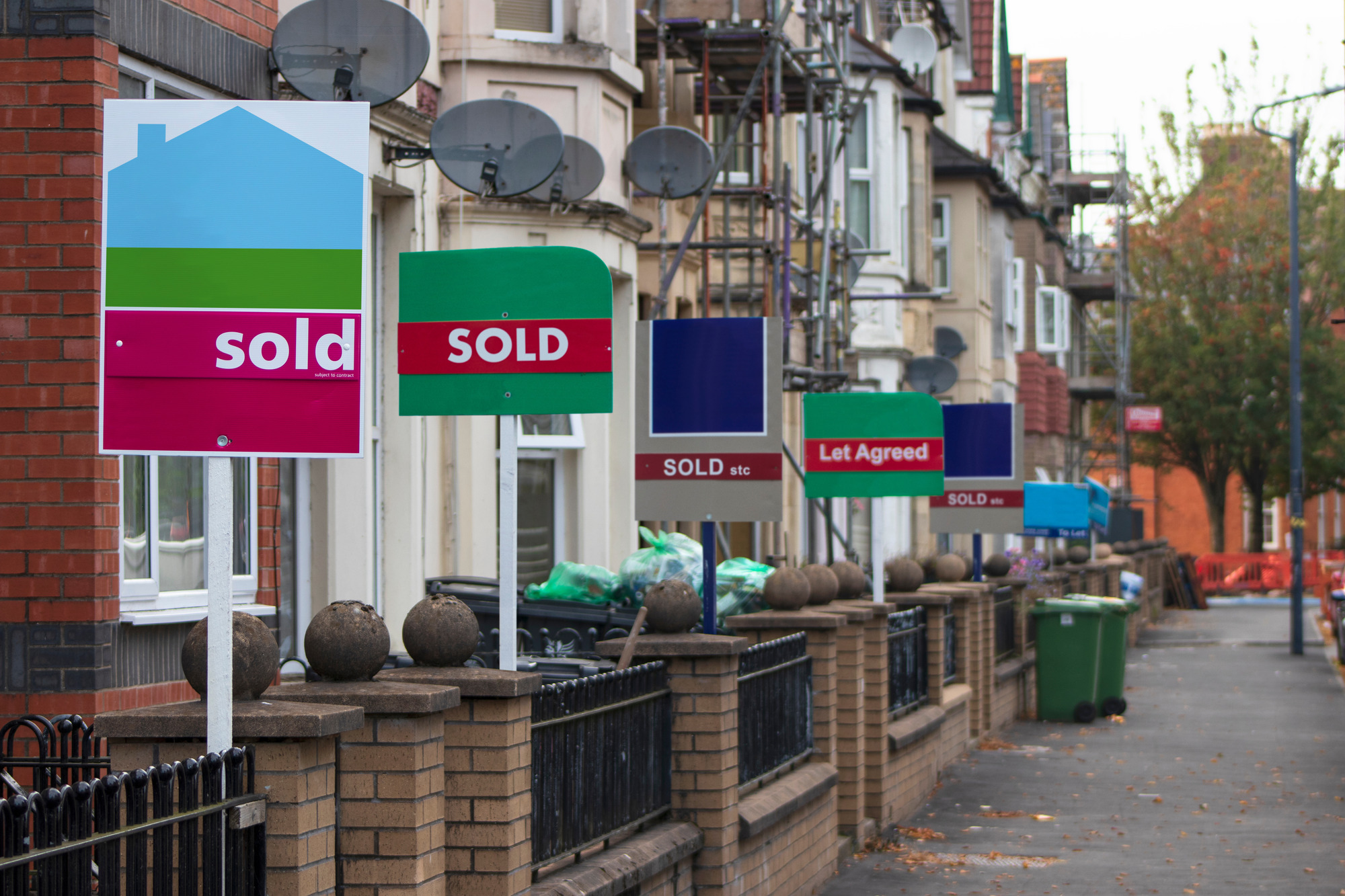

UK property buyers have more choice than at any time in the past decade, but uncertainty is keeping many on the sidelines, creating a distinct buyers’ market heading into winter 2025.
Recent market data reveals a fascinating paradox: whilst the number of properties available to buy is at a decade high, actual transaction volumes are slowing as budget uncertainty and cautious sentiment keep potential buyers waiting.
The Numbers Tell the Story
The UK currently has the largest sales pipeline since May 2021, with almost 350,000 homes (worth over £100 billion) making their way through the purchase process. However, new buyer demand is down 8% compared to last year, and sales agreed have dipped by 3% as activity cools, particularly notable in higher-value markets.
This abundance of choice is giving buyers significant negotiating power. With over a third (34%) of homes on the market having already had price reductions averaging 7%, sellers are clearly finding it harder to achieve their original asking prices.
What’s Driving the Slowdown?
- Budget Anxiety: Speculation about the 26th November Autumn Budget and potential property tax changes is making buyers, especially those considering premium properties, pause before committing. Sales of homes priced £2 million+ are down 13% year-on-year.
- Mortgage Rate Plateau: Whilst rates have improved from last year (average two-year fix now 4.41% vs 5.06% a year ago), they haven’t fallen as dramatically as many hoped. With the Bank of England holding the base rate at 4% in November, further significant rate cuts seem unlikely before year-end.
- Affordability Challenges: Despite lower rates than 2023 peaks, property prices remain at near-record levels. Combined with rising costs for everyday essentials, many potential buyers are finding affordability stretched.
Regional Variations Persist
The slowdown isn’t uniform. Southern England, particularly London where annual price growth is now just 0.1%, is experiencing the most pronounced cooling. Meanwhile, northern regions including the North East (6.6% annual growth) and North West continue to show resilience, offering better affordability and value.
Manchester, Liverpool, and other northern cities remain attractive to both owner-occupiers and investors, with prices significantly below national averages whilst still benefiting from strong economic fundamentals and infrastructure investment.
The Opportunity for Buyers
Despite the uncertainty, this is genuinely a strong time for committed buyers:
- Less Competition: Fewer active buyers means less pressure and fewer bidding wars
- Negotiating Power: High property choice gives buyers leverage to negotiate on price
- Improved Selection: Decade-high inventory means more properties to choose from
- Better Mortgage Rates: Significantly improved from 2023 highs, even if not falling as fast as hoped
What Sellers Need to Know
For sellers, the message is clear: realistic pricing is essential. Properties priced too optimistically are simply languishing on the market, often eventually selling for less than if they’d been priced correctly from the start.
Professional valuations and comprehensive property surveys are more important than ever. Buyers in this market will conduct thorough due diligence, so understanding your property’s true condition and market value helps set realistic expectations and avoid surprises during negotiations.
Looking Beyond the Budget
Once Budget uncertainty lifts on 26th November, the market should regain some momentum heading into 2026. The fundamentals remain relatively solid: employment is stable, mortgage rates are improving, and pent-up demand exists.
For both buyers and sellers in the North West, where Survey Hut operates, the regional market dynamics remain more positive than southern England. Properties in Altrincham, Chester, Preston, and surrounding areas continue to offer better value, with the market showing greater resilience than premium southern markets.
Sharing is caring!